Beginning with raw land development ideas, the narrative unfolds in a compelling and distinctive manner, drawing readers into a story that promises to be both engaging and uniquely memorable.
Exploring the potential of undeveloped land opens up a realm of possibilities, from residential neighborhoods to commercial hubs and even luxurious estates. This guide delves into innovative concepts, successful projects, and the essential strategies for transforming raw land into thriving spaces that meet community needs.
Raw Land Development Concepts
Raw land development is a multifaceted endeavor that encompasses innovative strategies, successful project examples, and thorough assessments of land potential. As urban areas continue to expand, the demand for new developments on raw land is increasing. This section explores creative concepts for transforming undeveloped land into valuable real estate.
Innovative Ideas for Raw Land Development
The development of raw land often begins with unique ideas that can cater to market demands. Innovative concepts can include mixed-use developments, eco-friendly communities, and sustainable agricultural projects that integrate residential areas. For instance, transforming a vacant plot into a mixed-use space that combines retail, residential, and recreational facilities can maximize land utility while appealing to diverse demographics.
Successful Raw Land Development Projects
Several projects globally exemplify successful raw land development:
- The High Line in New York City: This elevated linear park was built on an old railway, showcasing how unused land can be converted into a vibrant public space.
- Battersea Power Station Redevelopment in London: This iconic project transformed an old power station into a mixed-use development featuring residential, retail, and cultural spaces.
- Hudson Yards in New York City: A large-scale redevelopment of previously industrial land into a modern urban center with parks, shopping, and residential units.
Assessing the Potential of Raw Land for Development
Proper assessment is critical to determining the development potential of raw land. Key methods include:
- Site Analysis: Evaluating topography, soil quality, and environmental conditions.
- Market Research: Understanding local demand and competition.
- Zoning and Regulatory Review: Investigating zoning laws and potential restrictions.
Role of Real Estate Agents in Land Development
Real estate agents play a crucial role in facilitating transactions involving raw land. Their expertise can streamline the development process for investors and developers, ensuring compliance with regulations and market trends.
Importance of Real Estate Agents in Raw Land Transactions
Agents bring valuable insights into the local market, making them key players in raw land transactions. They assist buyers and sellers in navigating complex legal frameworks and negotiating favorable terms.
Facilitating Land Development Deals
Real estate agents can facilitate deals by leveraging their networks and marketing skills. They connect developers with potential investors and help in sourcing land that meets specific development criteria.
Marketing Raw Land Effectively
To market land successfully, real estate agents should:
- Utilize online platforms to reach a wider audience.
- Create visually appealing listings with high-quality images and detailed descriptions.
- Host open houses to engage potential buyers and showcase the land’s features.
Insights for Real Estate Investors
Investing in raw land can be a lucrative opportunity, but it comes with its own set of risks and rewards. Understanding these factors is essential for making informed investment decisions.
Investment Opportunities in Raw Land Development
Raw land can yield significant returns when developed strategically. Opportunities include residential subdivisions, commercial developments, and recreational facilities. Each type presents its own unique benefits and challenges.
Risks and Rewards of Investing in Undeveloped Land
Investors must weigh the potential rewards against associated risks, which can include:
- Market fluctuations that can affect land value.
- Costs related to zoning changes and obtaining permits.
- Long holding periods that may not yield immediate returns.
Financing Options for Land Investors
Several financing options exist for land investors, including:
- Traditional mortgages for land purchases.
- Syndicated investments with multiple investors pooling funds.
- Seller financing, where the seller provides a loan to the buyer.
Luxury Homes and Land Development
The development of luxury homes on raw land involves unique considerations, from design to construction.
Designing Luxury Homes on Raw Land
When creating luxury homes, the design should blend seamlessly with the land’s natural features. Concepts often include open floor plans, expansive windows for panoramic views, and sustainable materials.
Comparing Luxury House Designs for Various Landscapes
Different landscapes call for tailored designs:
- Coastal Areas: Elevated structures to withstand flooding and maximize ocean views.
- Mountainous Regions: Designs that incorporate natural stone and wood to harmonize with the surroundings.
- Urban Settings: Modern aesthetics with green roofs and terraces to utilize limited space.
Developing Luxury Mansions from Raw Land
The process of developing a luxury mansion involves careful planning and execution:
- Conducting a site survey to assess land suitability.
- Obtaining necessary permits for construction.
- Hiring reputable contractors with experience in luxury builds.
Commercial Properties in Raw Land
Developing commercial properties on raw land presents unique opportunities and challenges.
Potential of Developing Commercial Properties
Raw land can be ideal for various commercial ventures, including retail centers, office parks, and industrial facilities. The location and accessibility are crucial factors influencing the success of these developments.
Types of Commercial Properties Thriving on Undeveloped Land
Several types of commercial properties can thrive on raw land:
- Shopping malls and retail spaces.
- Corporate offices and business parks.
- Warehousing and distribution centers.
Steps to Obtain Permits for Commercial Construction
Securing permits for commercial construction involves:
- Submitting detailed site plans and project proposals to local authorities.
- Undergoing environmental assessments when necessary.
- Complying with zoning regulations and building codes.
Residential Property Development Strategies
Creating residential properties on raw land requires strategic planning and adherence to regulations.
Planning for Residential Property Development
A comprehensive plan for residential development should include:
- Market analysis to determine the type of housing needed.
- Designing layouts that promote community interaction.
- Establishing budgets that account for all development costs.
Zoning Laws Affecting Residential Development
Zoning laws dictate how land can be used and can significantly impact residential development. Investors must understand local zoning regulations to ensure compliance and avoid costly delays.
Examples of Successful Residential Property Development
Prominent examples include:
- The Woodlands in Texas: A master-planned community that integrates residential and commercial spaces.
- Seaside in Florida: A pioneering example of New Urbanism with a focus on walkable neighborhoods.
Role of Real Estate Marketing in Land Development
Effective marketing is essential in promoting raw land and development projects.
Effective Marketing Strategies for Raw Land
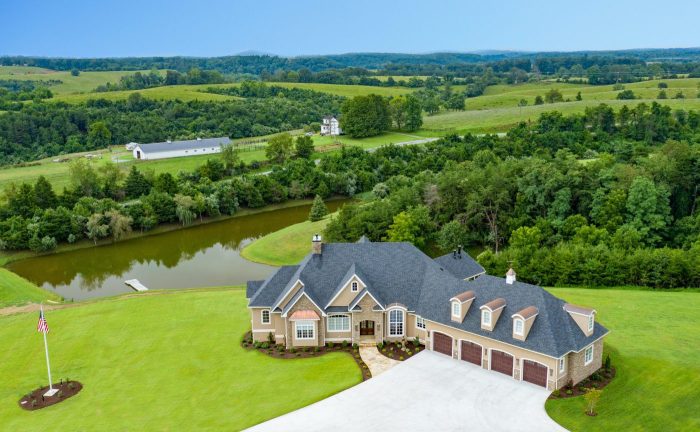
Successful marketing strategies can include:
- Utilizing social media platforms to reach targeted audiences.
- Creating engaging content showcasing the land’s features and potential.
- Networking at industry events to establish connections with potential buyers and investors.
Promotional Campaign for New Land Development Project
A promotional campaign should focus on:
- Highlighting the unique selling points of the development.
- Leveraging testimonials from satisfied buyers and stakeholders.
- Utilizing drones for aerial footage to provide an immersive view of the property.
Importance of Staging Land for Visual Appeal
Staging land can significantly enhance its visual appeal in marketing materials. Clean sites with clear boundaries and well-maintained access roads can create a positive first impression for potential buyers.
Green Real Estate Practices
Sustainability is becoming a critical aspect of raw land development.
Sustainable Practices in Raw Land Development
Incorporating sustainable practices can reduce environmental impact and promote long-term viability. These practices include:
- Using renewable energy sources in new developments.
- Implementing water conservation techniques.
- Preserving existing natural landscapes during construction.
Examples of Eco-Friendly Land Development Projects
Notable eco-friendly projects include:
- BedZED in the UK: A zero-energy housing development emphasizing sustainability.
- Masdar City in Abu Dhabi: A planned city relying entirely on renewable energy sources.
Benefits of Green Building Techniques for Luxury Homes
Luxury homes built with green techniques can offer:
- Higher energy efficiency and lower utility costs.
- Increased property value due to eco-friendly features.
- Enhanced comfort and health for residents through improved indoor air quality.
Property Management for Developed Land
Effective property management is vital for maintaining developed raw land.
Property Management Strategies for Developed Raw Land
Key strategies include:
- Regular maintenance schedules for landscaping and infrastructure.
- Monitoring tenant needs and addressing concerns promptly.
- Ensuring compliance with local regulations and safety standards.
Role of Property Managers in Maintaining Developed Areas
Property managers have a critical role in preserving the integrity of developed areas. They oversee maintenance, handle tenant relations, and ensure that properties remain attractive and functional.
Effective Leasing and Renting Methods for Residential and Commercial Properties
Successful leasing strategies encompass:
- Creating competitive rental agreements attractive to potential tenants.
- Utilizing digital marketing to attract applicants.
- Conducting thorough tenant screenings to ensure reliable occupancy.
Home Building Insights
Building a home on raw land is a complex process that requires careful planning and execution.
Essential Steps in Building a Home on Raw Land
Key steps include:
- Conducting feasibility studies to determine land suitability.
- Developing detailed architectural plans and obtaining necessary permits.
- Hiring qualified contractors and subcontractors for construction work.
Common Challenges Faced During Home Construction
Home construction on raw land can present challenges such as:
- Unexpected site conditions leading to increased costs.
- Delays in permitting and regulatory approvals.
- Coordinating multiple contractors effectively.
Tips for Selecting Contractors and Managing Construction Processes
To facilitate a smooth construction process, consider:
- Researching contractors’ credentials and past projects.
- Establishing clear communication channels among all parties.
- Implementing a project timeline with milestones to track progress.
Final Review
In conclusion, the journey through raw land development ideas reveals the exciting opportunities that await visionaries ready to shape the future. With the right insights and strategies, anyone can embark on a successful development venture, transforming bare land into valuable assets that enhance the environment and community.
General Inquiries
What is raw land development?
Raw land development refers to the process of transforming undeveloped land into usable spaces for residential, commercial, or industrial purposes.
What are the key factors to consider before investing in raw land?
Investors should evaluate location, zoning laws, accessibility, potential for appreciation, and environmental impact before making a purchase.
How can I finance raw land development projects?
Financing options include traditional mortgages, land loans, private investors, or partnerships, depending on the scale and nature of the project.
What types of properties can be developed on raw land?
Raw land can accommodate various developments, including residential homes, commercial buildings, agricultural land, and recreational facilities.
What role does zoning play in land development?
Zoning regulations dictate how land can be used, impacting the types of developments allowed and ensuring that projects align with community planning.